Emerald UX Academy
Industry-ready UI/UX courses built for Ireland’s tech scene—master Figma, user research, and rapid prototyping with a portfolio that hiring teams trust. Our first year has been focused on creating a structured, mentor-led learning path that mirrors real product teams in Dublin and across Ireland.

Built for Ireland’s Product Teams
Emerald UX Academy delivers a practical curriculum that reflects how product, engineering, and research teams work in local technology companies. We combine structured lessons with applied studio time, giving learners the clarity and habits needed for delivery-focused design roles.
Figma-First Workflow
Students build real interface systems, master layout grids, and create reusable components in Figma while learning handoff practices for developers.
Research-Led Decisions
We emphasize interviewing, survey design, and insight synthesis so that interface choices are grounded in real user behavior.
Rapid Prototyping
From low-fidelity wireframes to interactive prototypes, our approach mirrors agile product cycles used by Ireland’s tech teams.
Focus areas include ui ux course ireland, figma course dublin, ux research training ireland, ui design bootcamp ireland, product design course ireland, prototyping course figma, ux certification ireland, tech design training ireland, user research course dublin, figma for product designers.
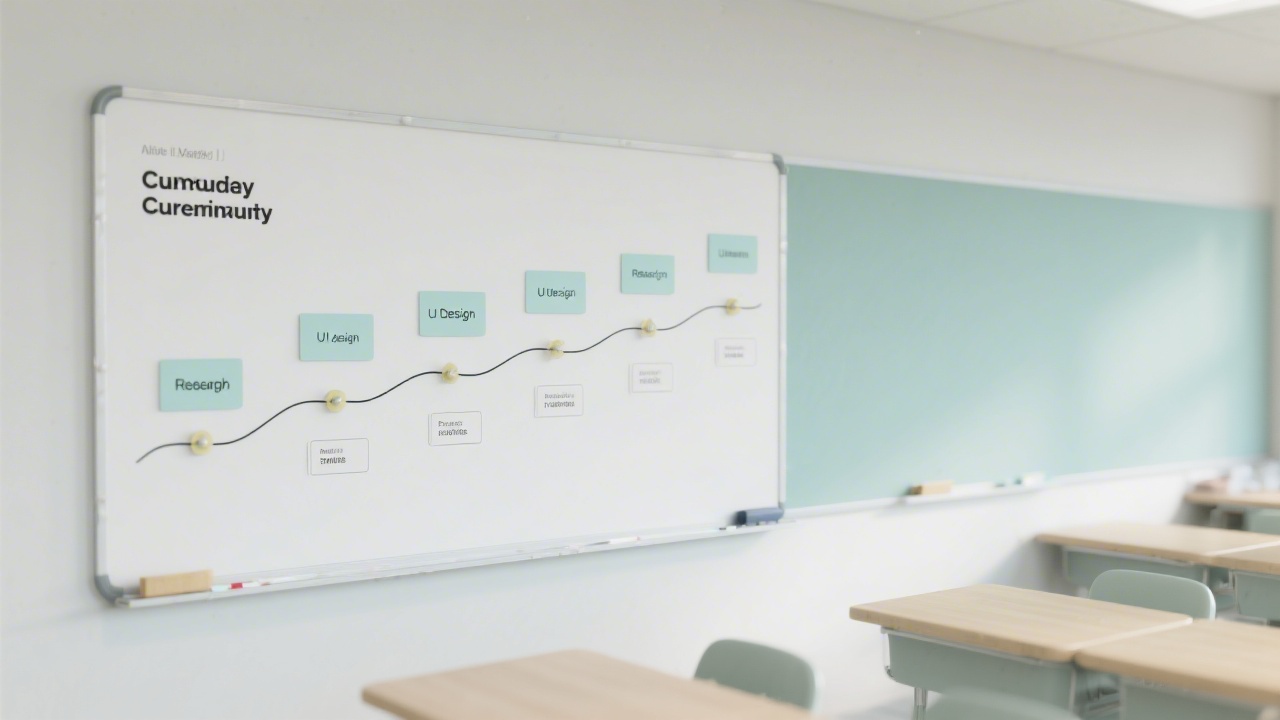
Structured Curriculum Timeline
Every cohort follows a clear progression from fundamentals to real-world delivery. The timeline is built to align with the pace of a junior designer in a product team, including research, interface systems, and cross-functional collaboration.
- Weeks 1–2: UX foundations, design thinking, problem framing, and research planning.
- Weeks 3–5: User interviews, synthesis, journey mapping, and defining product goals.
- Weeks 6–8: UI systems, Figma components, accessibility standards, and handoff practices.
- Weeks 9–10: Prototyping, usability testing, and iteration based on evidence.
- Weeks 11–12: Portfolio case studies with critique sessions and final presentation.

Case-Study Style Learning
Our projects replicate the workflow of real teams. Students explore user needs, define product hypotheses, build interface systems, and present outcomes as structured case studies.
Mobility Booking Redesign
Research sessions reveal friction points in booking flows, leading to a simplified UI and a measurable reduction in user errors.
Fintech Onboarding Flow
Students create a secure and accessible onboarding system, focusing on clarity, trust signals, and responsive form patterns.
Health Platform Dashboard
A complex data visualization challenge solved through progressive disclosure and clear prioritization of vital metrics.
Learning Environment
Our Dublin-based studio-style sessions offer a balanced mix of instruction, critique, and independent work. Small groups allow dedicated feedback and time for refining design choices.
- Small-group critiques that simulate product team reviews.
- Accessible resources for UX writing, design systems, and usability standards.
- Quiet study time paired with collaborative workshops.

Frequently Asked Questions
Who are the courses designed for?
Our courses are designed for career changers, new graduates, and junior designers seeking a structured path into UI/UX roles in Ireland.
Do I need prior design experience?
No prior experience is required. We start with fundamentals and build confidence through guided practice and structured feedback.
Is the program focused on Figma?
Yes, Figma is our primary design tool, and we include advanced components, prototyping, and developer handoff workflows.
How is user research taught?
You will learn research planning, ethical interviewing, synthesis, and insight mapping to support design decisions.
Can I build a portfolio during the course?
Each module includes applied projects that become polished case studies for your portfolio.
Is the course relevant to Irish tech companies?
Yes, examples and workflows are aligned to product teams in Dublin and across Ireland’s technology sector.
How are classes delivered?
We provide a blend of in-person studio sessions and structured independent work, with weekly critique and mentor reviews.
What support is available after completion?
Graduates receive guidance on portfolio presentation and interview preparation.
Start a Conversation
Share your goals and we will recommend a learning path. We respond within two business days.
Phone: +353 1 912 4470
Email: [email protected]
Address: 2 Dublin Landings, North Wall Quay, Dublin 1, D01 V4A3, Ireland